





Creality expands maker ecosystem with K3, SPARKX i8, and Pika 3D scanner
Multicolour 3D printing has long promised vibrant, multi-material models, yet single-nozzle purging and scrap spools often test the patience and budgets of makers.
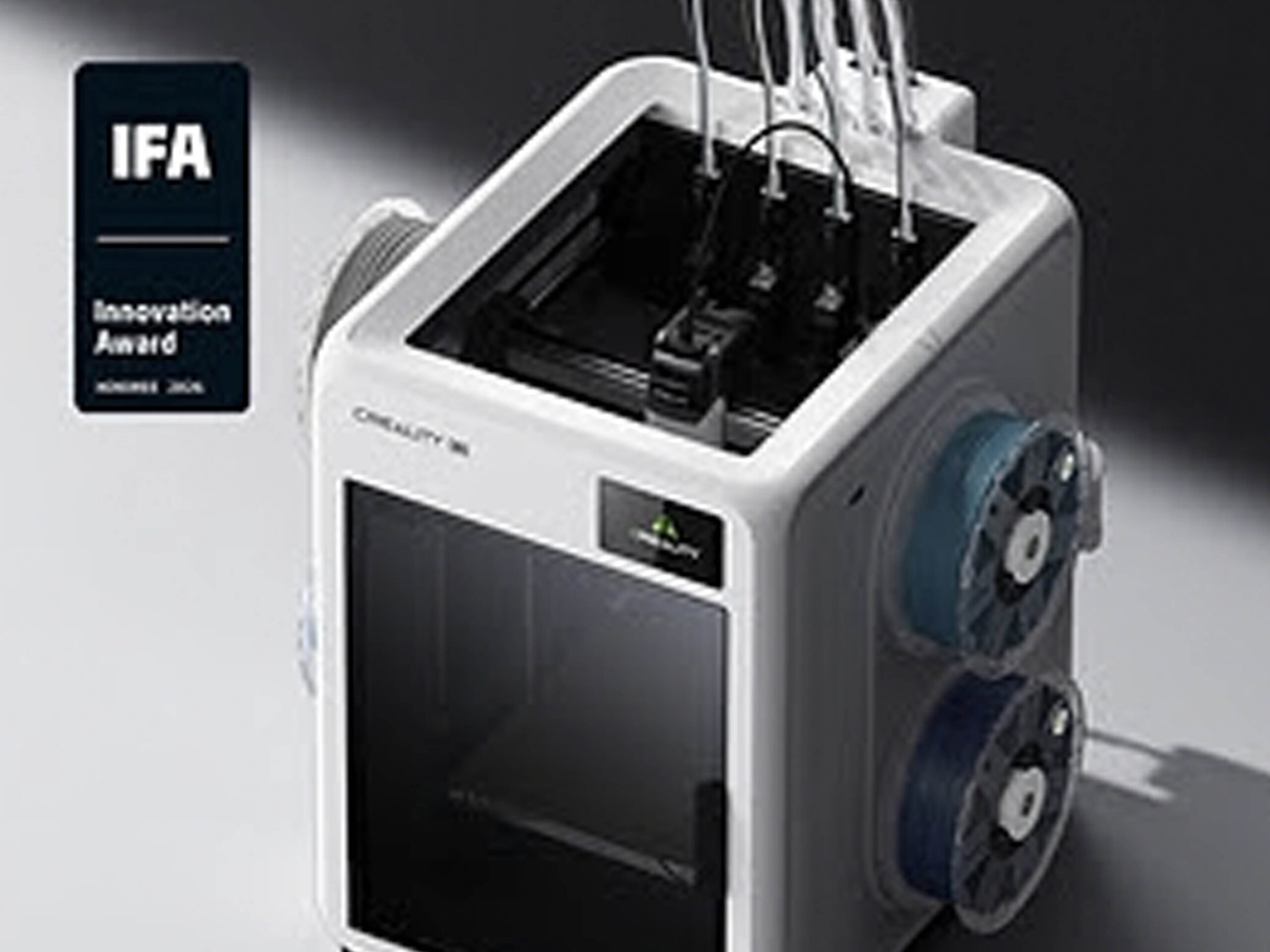
At IFA 2026 in Berlin, Creality unveiled a broad slate of hardware aimed at speeding up workflows and cutting waste, earning recognition at the IFA Innovation Awards 2026 for both the M1 Filament Maker as a Winner and the K3 as an Honoree.
K3: Fast Nozzle Swaps and Mixed Materials
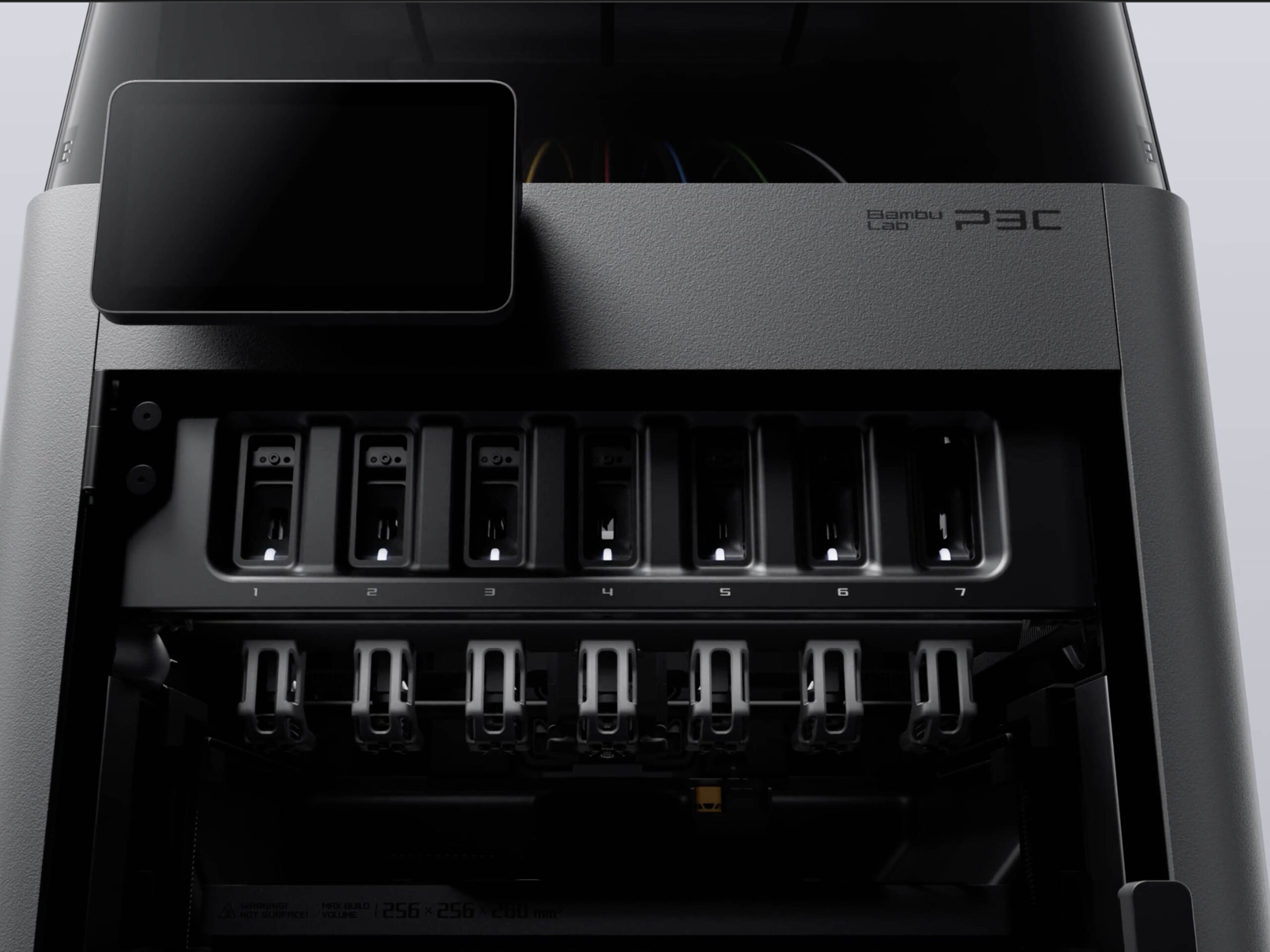
Sitting at the centre of Creality’s flagship K Series evolution, the K3 uses a built-in KliTek multi-channel nozzle-changing system designed to swap nozzles in around 4.8 seconds. Rather than repeatedly retracting, reloading, and purging filament through a single hotend, the system keeps channels ready to reduce internal-test print times by up to 80% and filament waste by up to 85%.
With optional add-ons, makers can pair flexible TPU 85A–95A with stiffer materials in one build or run hybrid nozzle setups—such as a 0.4 mm nozzle for crisp outer walls alongside a 0.8 mm nozzle for faster infill. An AI-assisted workflow and open ecosystem round out the package for hobbyists, print farms, and product designers.
Alongside it, the SPARKX i8 targets four-colour printing using a four-channel toolhead, a 4-in-1 hotend, and a short melt zone to limit purging between colour shifts.
M1 and R1: Closing the Filament Loop
For makers tired of binning failed prints and purge lines, the award-winning M1 Filament Maker pairs with the R1 Shredder to turn plastic scrap and failed parts back into usable filament. The pairing also supports custom material blends and colour formulations, giving craft creators and workshop teams more control over experimental filaments and closed-loop reuse.
Expanding Across FDM, Resin, Scanning, and Laser
Creality’s Berlin showcase stretched well beyond desktop filament machines:
-
Large-Format FDM: The Ender-3 V3 Mega pairs a 420 × 420 × 420 mm build volume with 85A–95A TPU compatibility for larger models and small-batch runs.
-
Resin Printing: The HALOT-X1 Neo offers an accessible high-resolution entry point with AI assistance, while the HALOT-X1 Max steps up to a 17.1 L build volume, 16K display, 40°C active heating, quad-lead-screw stability, and a 5 L smart resin system.
-
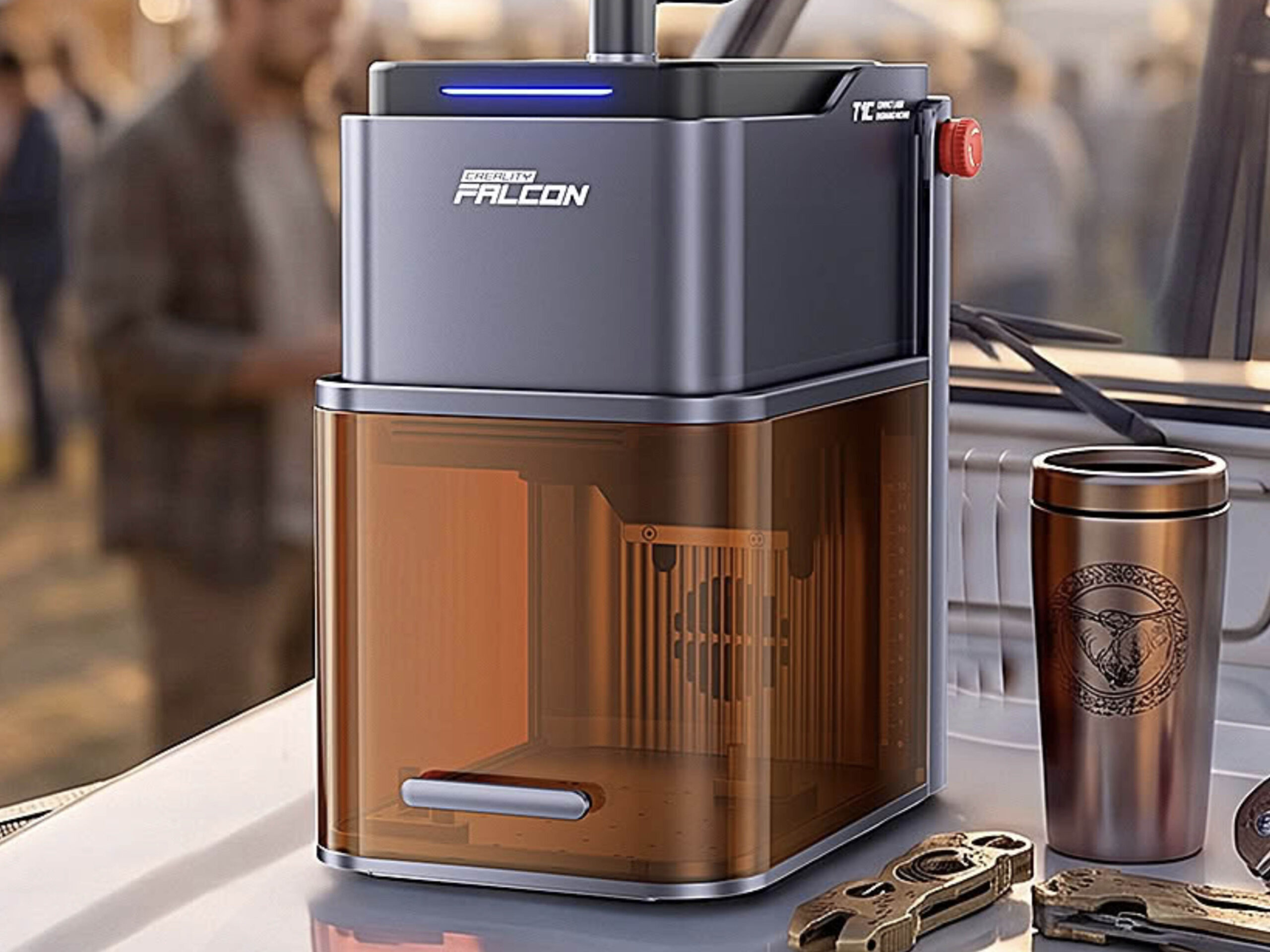
3D Scanning & Laser: Weighing 260 g, the portable Pika scanner combines seven-line blue laser and NIR scanning at up to 0.03 mm accuracy and 110 fps. Creality also highlighted its A1C and T1C laser systems for engraving, cutting, and personalisation.
Digital Manufacturing in Action
Demonstrating where digital fabrication can go at consumer scale, Creality also featured Nexbie 3D-printed footwear—including CloudWing, CloudSpark, and CloudX—built using DLP printing and elastomeric lattice structures. Together, the releases underline Creality’s push to connect scanning, design, printing, and material recycling into a single maker workflow.

Related Posts